
By Pure North Cannabis Co. · Updated November 26, 2026
TL;DR: Terpenes are the aroma compounds that make one cannabis strain smell like lemon and another like pine or pepper. The same compounds are found in hops, citrus peel, lavender and black pepper. Lab and early human studies suggest some terpenes may change how THC feels, but research is limited, and no terpene is proven to produce a set effect. Use terpenes to shop by smell and taste, and use THC and CBD numbers to judge strength.
Want every terpene in one place? See our Terpene Guide, with the aroma, flavour, plant sources and name origin of more than 20 terpenes.
What terpenes are
Terpenes are a large family of natural compounds that plants make to protect themselves and to attract or repel insects. They are what you smell when you peel an orange, crush a sprig of rosemary or open a bag of hops. Scientists have identified tens of thousands of terpenes across the plant world, and cannabis alone produces well over a hundred.
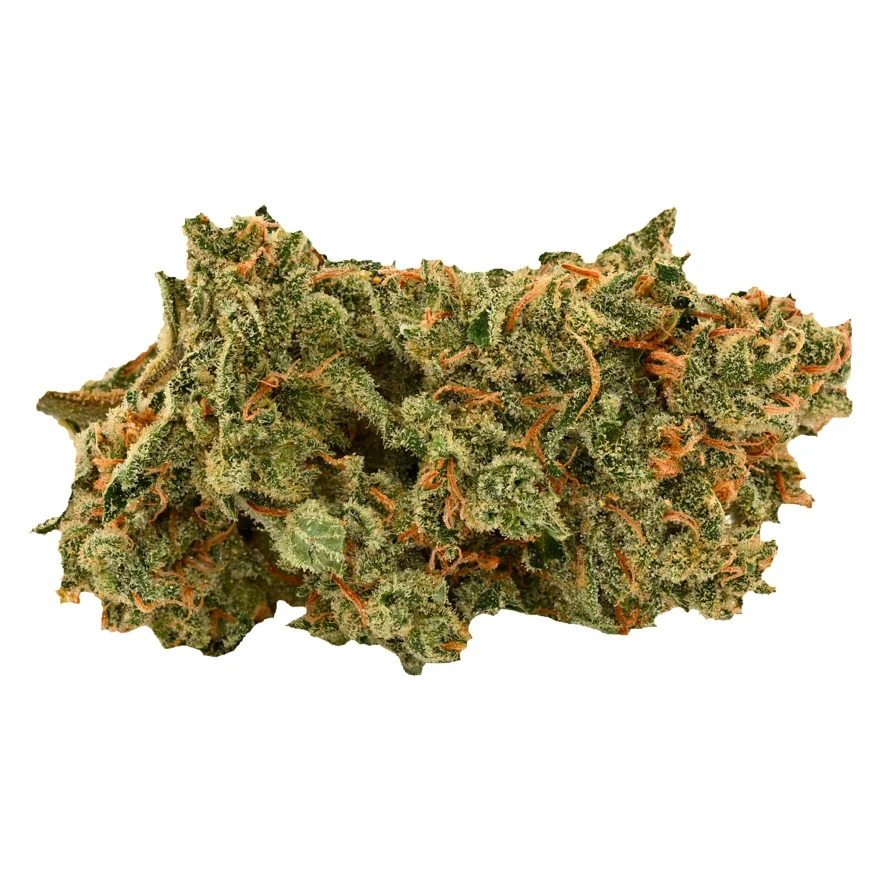
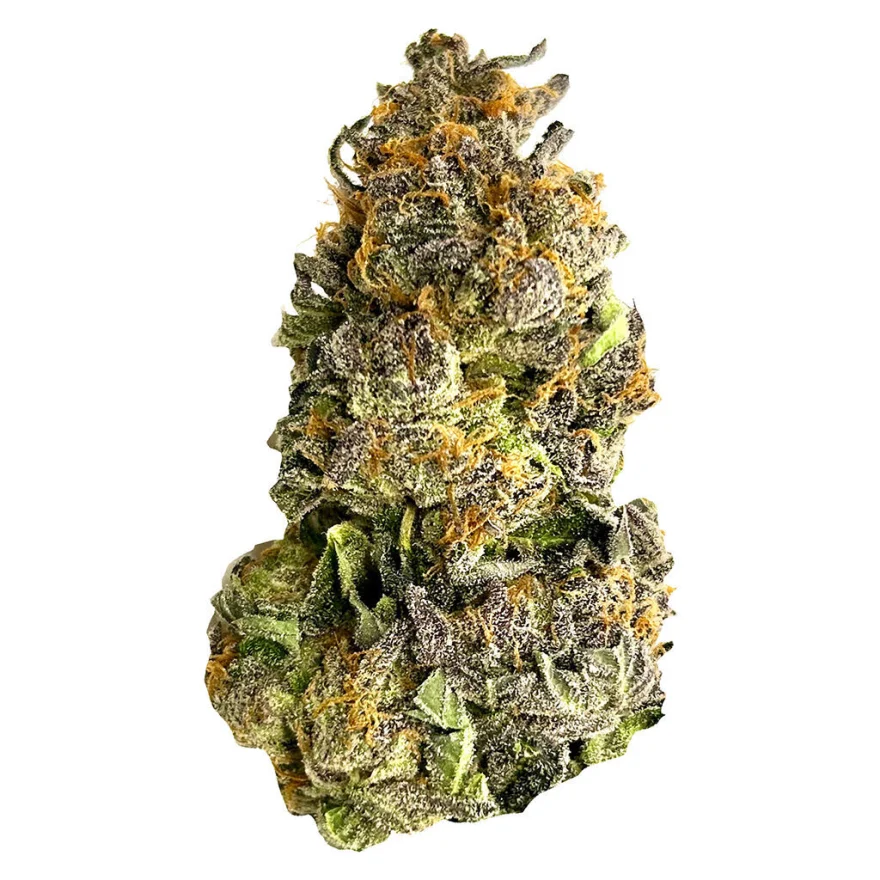
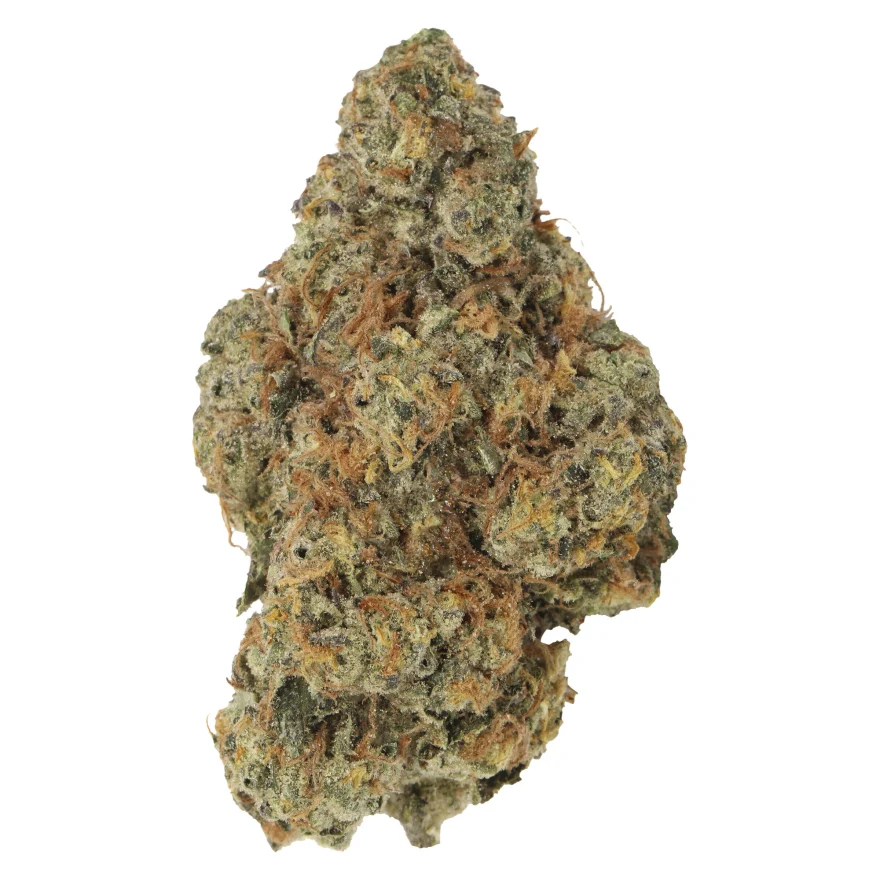
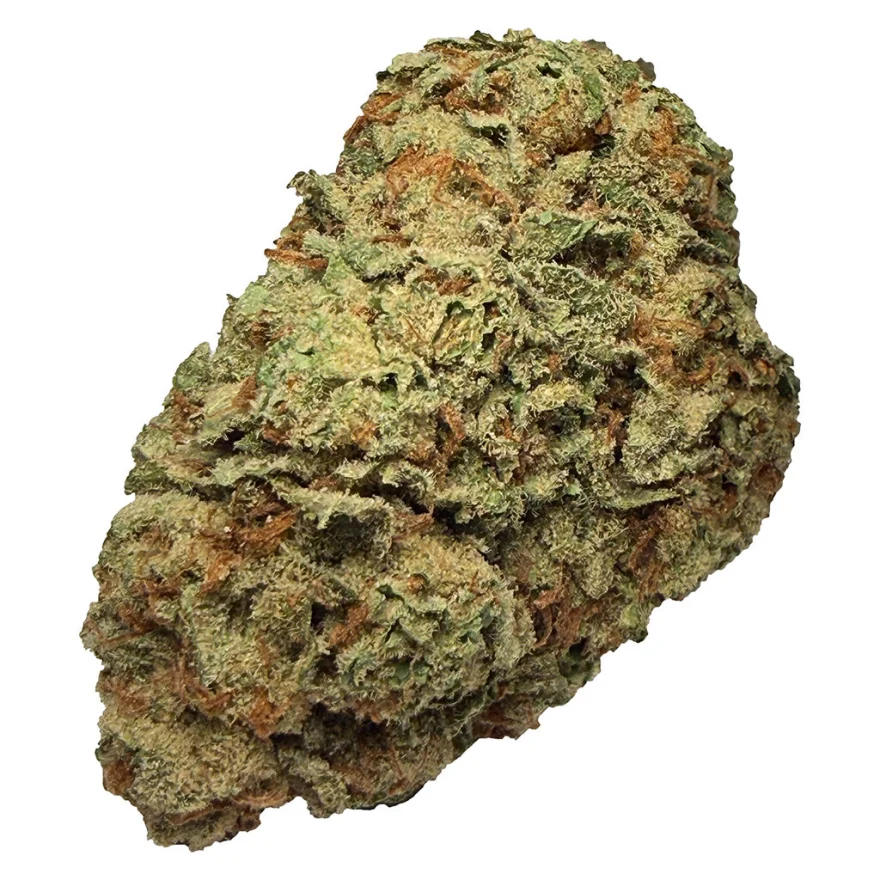
In cannabis, terpenes are made in the trichomes: the tiny, sticky, crystal-like glands that cover the flower. The same glands make THC and CBD. That’s why a frosty, well-cured bud usually has a strong smell, and why the smell fades when trichomes are damaged or dried out.
A few points worth knowing up front:
- Terpenes are not cannabinoids. They don’t make you high on their own the way THC does. In the limonene study covered below, limonene inhaled alone felt no different from a placebo.
- Every strain has a mix. A single flower can contain a dozen terpenes or more. One or two usually dominate and shape the smell.
- Growing conditions matter. Genetics set the range, but light, harvest timing, drying and curing all change the final terpene profile. Two batches of the same strain can smell different.
- They break down easily. Terpenes are volatile, meaning they evaporate. Heat, air and time all wear them down, which is one reason fresher product tends to smell stronger.
You’ll also see the word terpenoids. Strictly, terpenoids are terpenes that have been chemically changed, often by drying and oxidation. On labels and in everyday conversation the two words are used almost interchangeably.
The 8 terpenes you’ll see most often
These are the names that show up most on Canadian cannabis packaging, QR-code lab sheets and our product pages. The table sticks to what each one smells like and where else you’ve met it, because that part is well established.
| Terpene | Smells like | Also found in | Quick note |
|---|---|---|---|
| Myrcene | Earthy, musky, a little fruity | Mango, hops, lemongrass, thyme | Often the most abundant terpene in cannabis |
| Limonene | Bright citrus, lemon or orange peel | Citrus rinds, juniper, peppermint | Studied in humans alongside THC (see below) |
| Beta-caryophyllene | Peppery, spicy, woody | Black pepper, cloves, cinnamon, basil | Binds to the body’s CB2 receptor in lab studies |
| Linalool | Floral, lavender-like | Lavender, coriander, birch | Gives some strains a soft floral note |
| Alpha- and beta-pinene | Fresh pine, sharp and green | Pine needles, rosemary, dill, parsley | Two closely related forms, usually listed together |
| Humulene | Woody, earthy, hoppy | Hops, cloves, sage, basil | Chemically a close cousin of caryophyllene |
| Terpinolene | Herbal, piney, a little floral and fruity | Apples, nutmeg, lilac, tea tree | Less common as the top terpene, but distinctive |
| Ocimene | Sweet, herbal, slightly tropical | Mint, parsley, basil, orchids | Usually a supporting note rather than the lead |
Other names you may spot on a lab sheet include bisabolol (chamomile-like), nerolidol (woody, floral), geraniol (rose-like), eucalyptol (cool and minty) and guaiol (piney, woody). They’re usually present in smaller amounts. Our Terpene Guide covers each of them.
A tip for reading these: a description like “gassy” or “skunky” usually comes from tiny amounts of sulphur compounds, not one single terpene, and the candy or tropical notes in many newer strains come largely from other minor compounds such as esters. Smell is the sum of the parts.
What the research says about terpenes and effects
The short version: a few interesting studies, lots of open questions, and nothing that lets anyone promise a terpene will make you feel a certain way. Here is what the better-known research actually found.
Limonene and THC (human study, 2024). Researchers at Johns Hopkins gave 20 healthy adults vaporized THC, limonene, both together, or a placebo across several sessions. Adding limonene reduced the anxious, paranoid feelings THC caused, and the effect grew with the limonene dose. It didn’t change THC’s other effects, and limonene alone felt like the placebo. The team called it a first step: it was small, used inhaled doses only, and needs repeating in larger and more varied groups. Several authors disclosed industry ties, and the university has filed a patent. (Johns Hopkins Medicine)
Beta-caryophyllene and the CB2 receptor (lab study, 2008). A team publishing in PNAS found that beta-caryophyllene binds to CB2, one of the body’s two main cannabinoid receptors. Because it’s also in black pepper and cloves, the authors called it a “dietary cannabinoid”. CB2 is mostly involved in the immune system, not the high, and this was laboratory research, not a test of how people feel. (PubMed)
Six common terpenes at CB1 and CB2 (cell study, 2019). Australian researchers tested myrcene, limonene, linalool, alpha-pinene, beta-pinene and beta-caryophyllene on human cannabinoid receptors grown in cells. None of them switched the receptors on, and none changed how THC acted there. The authors noted that terpenes could still act through other pathways in the body that the study didn’t measure. (Macquarie University)
What this means for you
| Claim you might hear | What the evidence supports today |
|---|---|
| “Myrcene makes you sleepy” | Not shown in controlled human studies of cannabis |
| “Limonene is uplifting” | One small human study: limonene reduced THC-related anxiety; no proof of “uplift” |
| “Caryophyllene is a cannabinoid” | It binds CB2 in lab studies; effects in people are not established |
| “Terpenes boost your high” | Cell studies found no change to THC at CB1; other routes are unproven |
| “Smell tells you the effect” | No. Smell tells you the terpene mix, not how you’ll feel |
Most of the effect labels you’ll see online (“relaxing”, “energizing”, “creative”) come from user reports and marketing, not trials. People also respond to cannabis very differently based on dose, tolerance, setting and THC level. That’s why we talk about terpenes as flavour and aroma, and leave the effect promises out.
The “entourage effect”: what it means and what’s unproven
The entourage effect is the idea that cannabis works as a team: THC, CBD, minor cannabinoids and terpenes together feel different from any one of them alone. It was popularized in the cannabis research world in the late 1990s and 2000s, and it’s the reason many brands now highlight “full spectrum” or terpene-rich products.
The idea is reasonable, and the limonene study above is one of the few human results that points in its direction. But the receptor study above found no direct teamwork at CB1 or CB2, and most of the rest of the evidence comes from cells, animals or surveys. A fair summary in 2026: plausible for some combinations, proven for very few, and not something any product can promise.
Where to find terpenes on a Canadian cannabis label
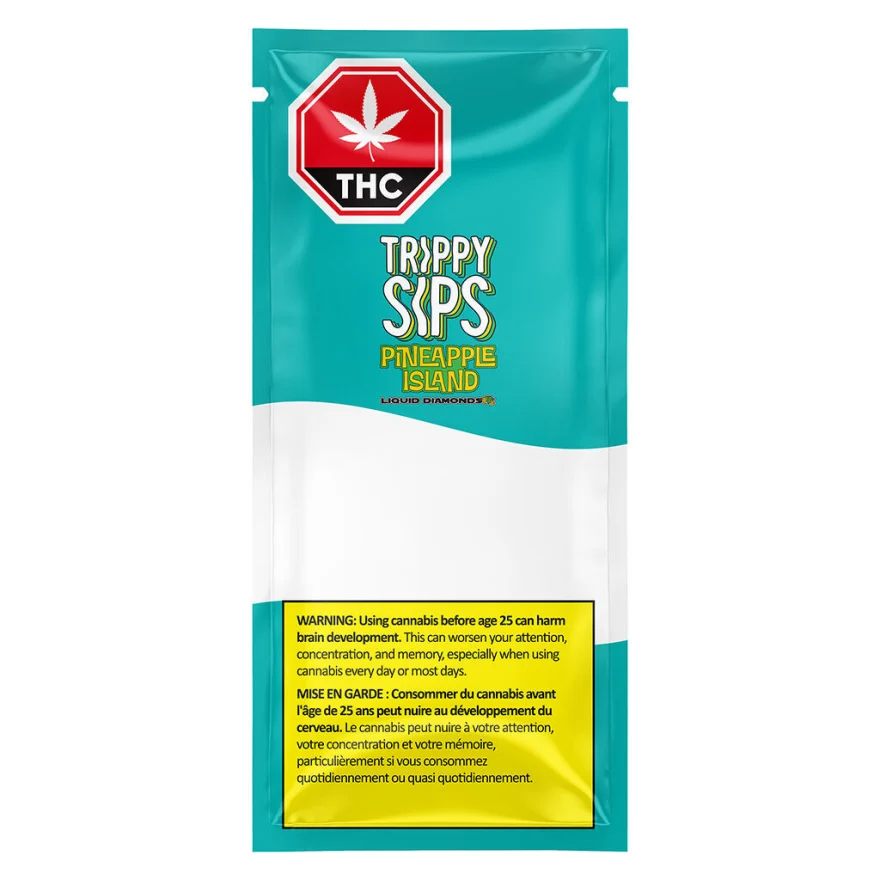
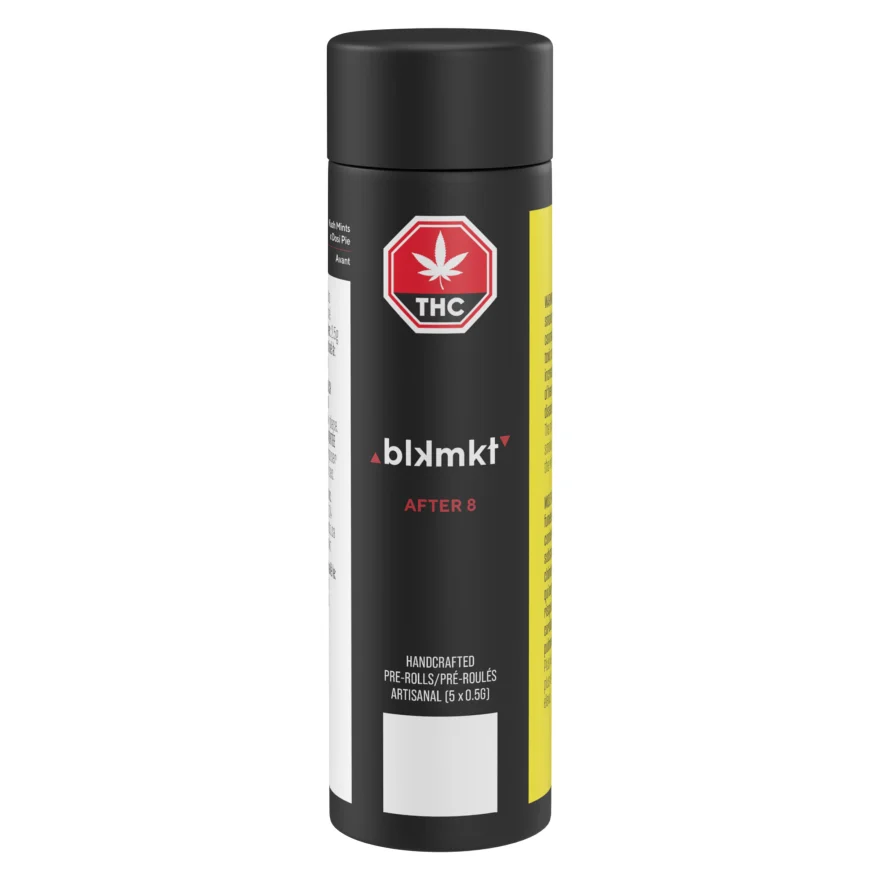
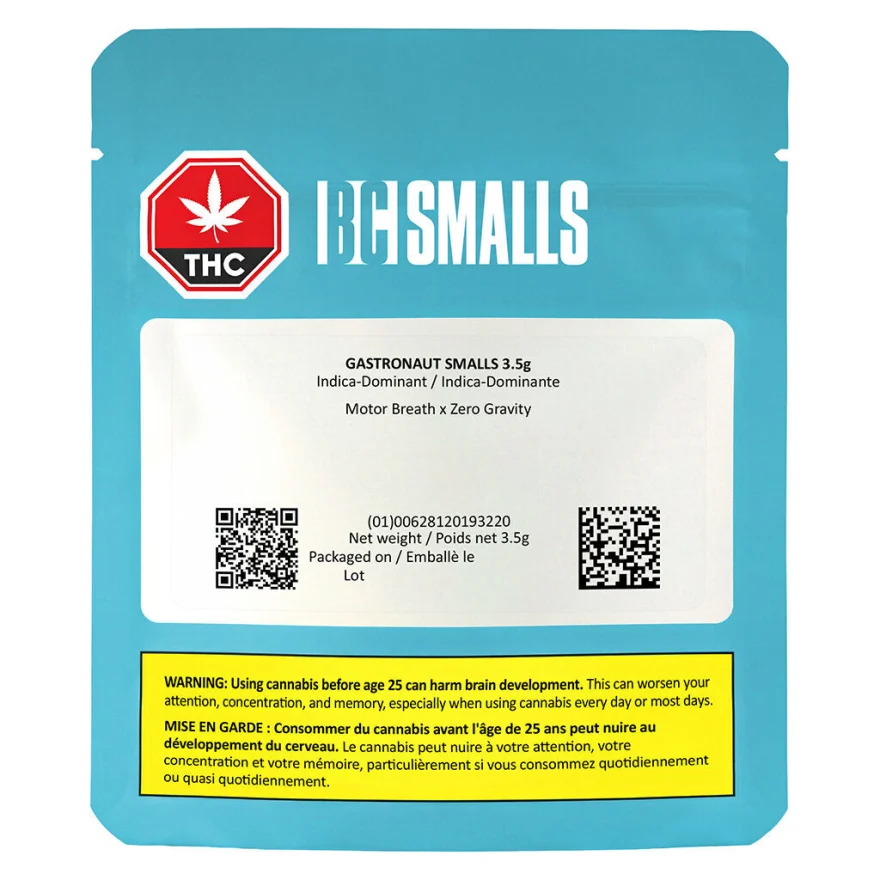
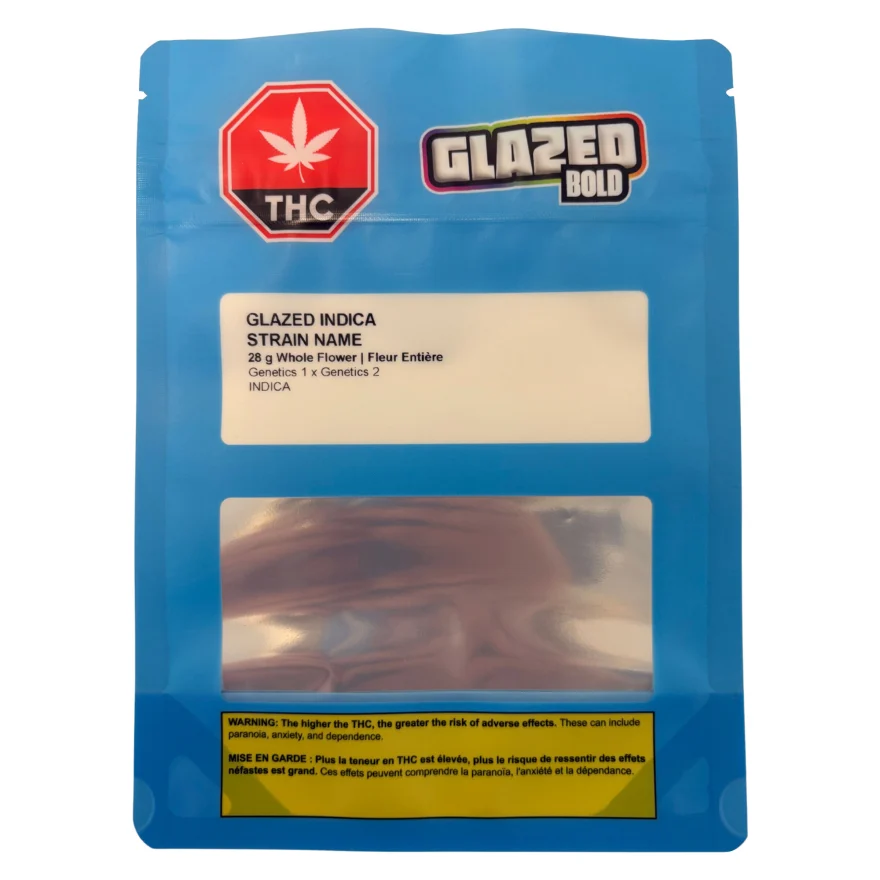
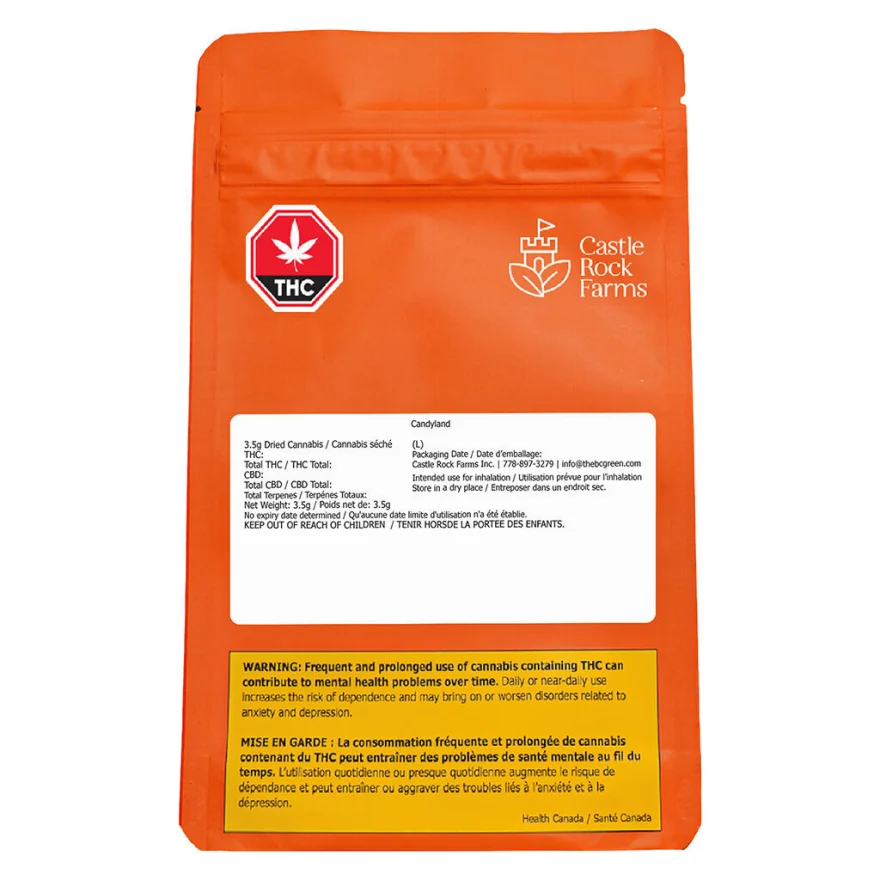
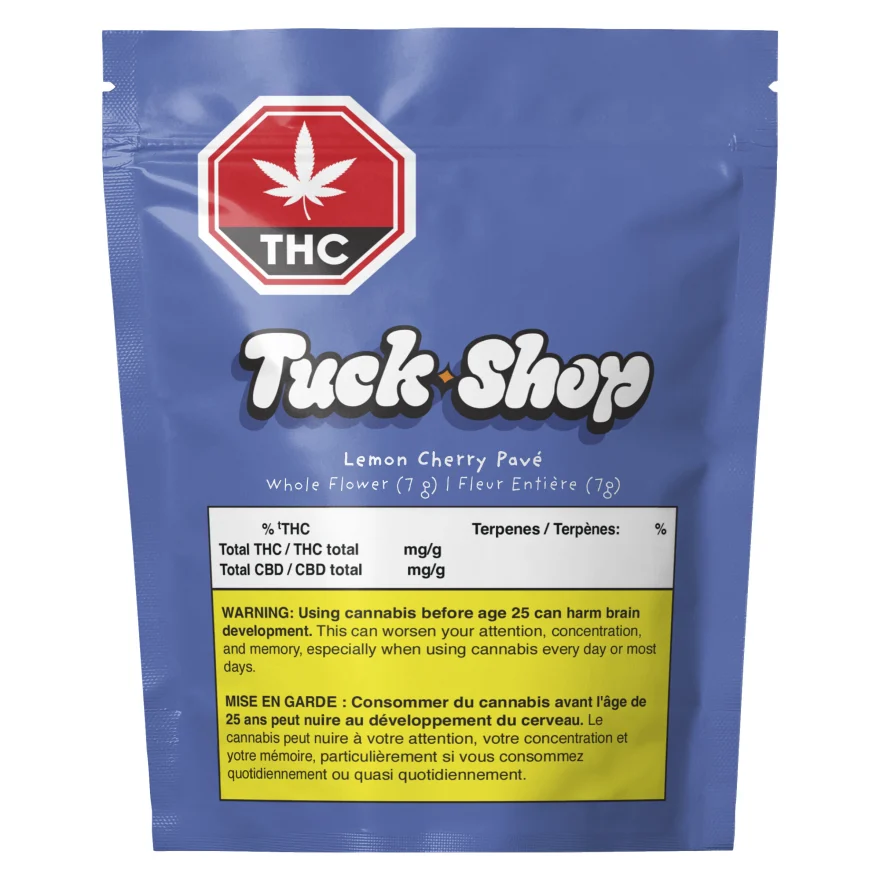
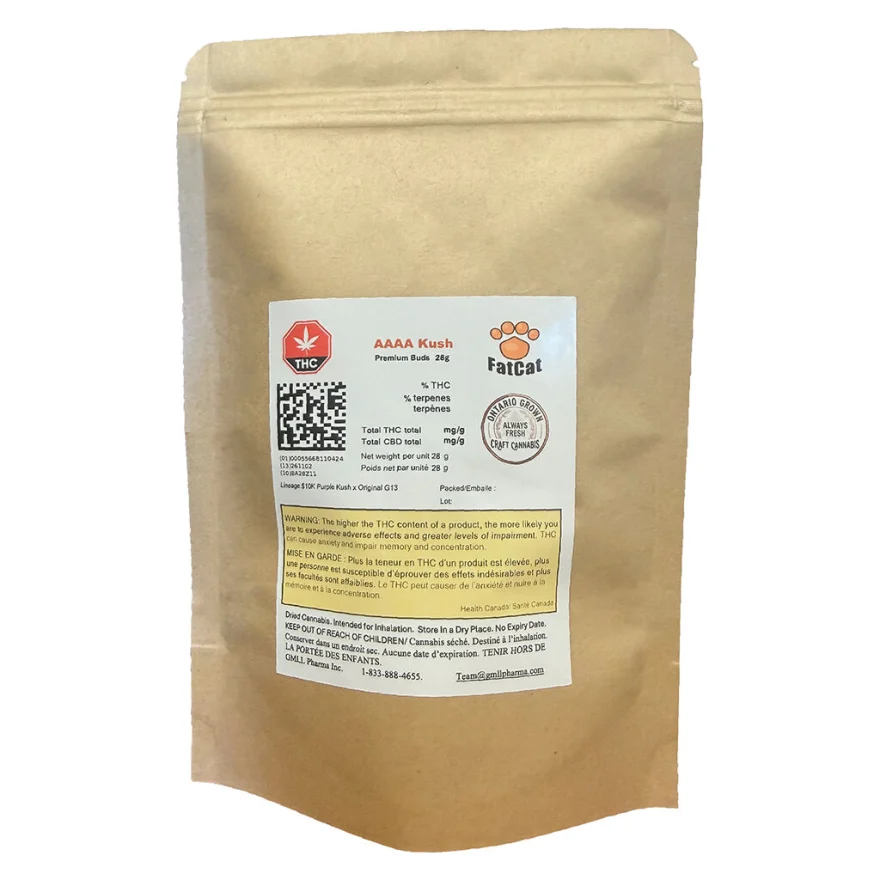
Health Canada requires every legal cannabis label to show total THC and total CBD, the cannabis symbol, a health warning, the packaging date and a lot number. Terpenes are not a required item. Licensed producers may add them as optional information, as long as it isn’t false or misleading, and they can also share a terpene profile through a QR code or an insert. (Health Canada packaging and labelling guide)
What that looks like in practice:
| Where to look | What you might find |
|---|---|
| Side or back panel | “Total terpenes” as a percentage, or the top 2 or 3 terpenes by name |
| QR code | A full lab sheet or certificate of analysis with each terpene measured |
| Brand website | Terpene breakdown by batch or lot number |
| Nowhere | Some brands don’t list terpenes at all; that’s allowed |
Total terpene content in dried flower is usually a small number, often a few percent or less by weight, and fresher flower tends to test higher. Since terpenes fade over time, check the packaging date alongside the terpene list. For the rest of the label, Health Canada’s guide to reading a cannabis label walks through each required item.
How to shop by terpenes at Pure North in Guelph
If you like the smell of a strain, the terpene list is the best clue for finding others you’ll enjoy. Here’s how we suggest using it:
- Start with smell and taste you already like. Love citrus? Look for limonene near the top. Prefer spicy or peppery? Look for caryophyllene. Earthy and musky? Myrcene.
- Pick strength separately. Terpenes don’t tell you how strong a product is. Total THC and CBD on the front of the label do.
- Check freshness. A recent packaging date usually means more aroma.
- Ask us. Our team at 783 Woolwich St can show you terpene info on the packages we carry and point you to products with similar profiles. We’ll talk about aroma, flavour, format and THC level. We won’t tell you a product will treat anything.
You can browse what’s in stock in our shop, where each product page lists its main terpenes under Aroma & flavour, order ahead for in-store pickup (no minimum), or get delivery. Delivery has a $70 minimum and is free to Guelph, Fergus, Elora and Rockwood, Monday to Saturday 4 PM to 10 PM and Sunday 4 PM to 9 PM. See every town and fee on our delivery areas page.
The store is in Riverside Plaza in Guelph’s North End, open Monday to Thursday 9 AM to 10 PM, Friday and Saturday 9 AM to 11 PM, and Sunday 9 AM to 9 PM. Bring valid, unexpired government photo ID; you must be 19 or older, and we can’t accept photos of ID. Ontario’s purchase limit is 30 g of dried cannabis or the equivalent per order. Questions: 519-821-0555.
How to keep terpenes from fading
Terpenes are the first thing to go when cannabis is stored badly. To keep the aroma you paid for:
- Keep it in an airtight container, ideally glass, away from light.
- Store it somewhere cool and dry. Avoid the top of the fridge, a sunny windowsill or a hot car.
- Don’t grind more than you need; ground flower loses aroma faster.
- Keep it in a locked spot, out of reach of children and pets.
Health Canada’s general safety advice applies whatever the terpene profile: start with a low amount of THC and wait to feel the effects before taking more. For smoking or vaping, that’s 1 or 2 puffs of a product with 10% THC or less. For edibles, it can take up to 4 hours to feel the full effects. (Health Canada: Cannabis, lower your risks)
FAQs
Do terpenes get you high? No. Terpenes aren’t intoxicating on their own. In the 2024 Johns Hopkins study, limonene alone felt the same as a placebo.
Is a higher terpene percentage better? It usually means a stronger smell and flavour. It doesn’t mean a stronger product; THC and CBD numbers tell you that.
Are terpenes listed on every cannabis label in Canada? No. Terpenes are optional information. Some brands print them, some put them behind a QR code, and some don’t share them.
Does indica or sativa tell you the terpenes? Not reliably. Plant type labels don’t predict terpene profile. The terpene list or lab sheet is a better guide to smell and taste.
Can terpenes help with sleep or anxiety? Research is early and limited. One small human study found limonene reduced THC-related anxiety, but there’s no proof a terpene will help a health condition. Talk to a health care provider about health questions.
Can I see terpene info before I order from Pure North? Where the producer shares it, yes. Check the Aroma & flavour section and terpene breakdown on our product pages, or ask our team in store or at 519-821-0555.
Sources
- Health Canada, Packaging and labelling guide for cannabis products
- Health Canada, Cannabis: lower your risks
- Johns Hopkins Medicine, d-limonene and THC study news release (Spindle et al., Drug and Alcohol Dependence, 2024)
- American Chemical Society, The surprising science behind cannabis aromas (Oswald et al., ACS Omega, 2021 and 2023)
Further reading: Gertsch et al., Beta-caryophyllene is a dietary cannabinoid, PNAS 2008; Santiago et al., Absence of entourage, Cannabis and Cannabinoid Research 2019.
Information as of November 26, 2026. This post is general information, not medical advice. You must be 19+ to buy cannabis in Ontario.
Shopping from Guelph? See weed delivery in Guelph: free delivery, $70 minimum, Monday to Saturday 4 to 10 PM and Sunday 4 to 9 PM, 19+ with valid photo ID.