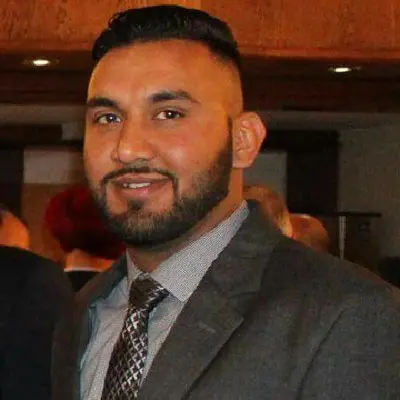
Most people don’t think much about the person behind the counter until they find themselves staring at a menu with forty options and absolutely no idea where to begin.
That’s when a good budtender earns their reputation.
The Job That Didn’t Exist a Decade Ago
The word itself is a mashup — part “bud” (as in cannabis flower), part “bartender” (a role built around reading customers and making recommendations under time pressure). The comparison isn’t a stretch. Like a skilled bartender, a budtender’s value comes from knowing the products deeply and knowing how to read what a customer actually needs from a short conversation.
In Ontario’s legal retail environment, the role has developed into something closer to a retail specialist. Budtenders complete mandatory training through the Cannabis Retail Council of Canada’s CannSell program before they’re certified to sell. That covers the basics — regulations, responsible consumption, ID verification. What it doesn’t cover is the product knowledge and customer fluency that comes from doing the job every day.
What a Good Budtender Actually Helps With
Translating the Menu
Cannabis menus have gotten genuinely complex. Between dozens of strains, multiple format categories, different potency levels, and a growing range of extract and edible options, even experienced consumers encounter things they’ve never tried before.
A budtender’s job is to make that complexity navigable. That means asking a few questions, listening to the answers, and narrowing the menu to a short list of things that actually match what you’re describing — rather than just pointing at whatever’s been selling well this week.
Helping First-Timers Feel Welcome
Walking into a dispensary for the first time can feel a little overwhelming, even with the clinical retail format Ontario uses. There are unfamiliar terms, unfamiliar products, and occasionally the feeling that everyone else in the room already knows something you don’t.
A good budtender notices that and adjusts. The conversation changes depending on whether you’re clearly a veteran customer who knows exactly what they want or someone who needs the full orientation. Neither is treated as a problem — they’re just different starting points.
Flagging Things That Matter
If you mention you’re trying edibles for the first time, a budtender will tell you about onset time and why the “wait before taking more” instruction matters. If you’re looking for something lower-THC, they’ll point you in that direction without judgment. If you’re comparing two products you’ve heard about, they can give you a grounded perspective based on what customers actually report back.
None of that is medical advice. It’s informed retail guidance — the kind that makes a real difference in whether someone has a good first experience or a confusing one.
How to Have a Better Conversation at the Counter
Be Honest About Your Experience Level
This is the most common place people get tripped up. There’s sometimes a temptation to seem more experienced than you are, especially in front of a stranger. It’s worth resisting.
The recommendations change significantly depending on your tolerance history. What’s a mild starting point for a regular user is a very different experience for someone who hasn’t consumed in two years or has never tried cannabis at all. A budtender can only help you if they have accurate information.
Think About What You’re Trying to Get Out of It
You don’t need to know the terminology to communicate what you’re after. “Something for a slow evening at home” and “something I can take to a backyard barbecue” are perfectly usable descriptions. So is “I had a great experience with an edible a few months ago but I can’t remember what it was.” Budtenders work with loose descriptions all day — they’re good at it.
Ask Questions You Feel Unsure About
There’s no version of a cannabis question that a dispensary employee finds annoying or unusual. The job involves answering the full range — from “what’s the difference between sativa and indica” to “can you explain what live resin actually is” to “I got really anxious the last time I tried this, what went wrong.” All of those are legitimate starting points for a useful conversation.
What Pure North Prioritizes
Pure North opened as an independently Canadian-owned operation with a specific focus on the consultation side of the experience. The store’s open-concept layout includes a dedicated room for more private, detailed conversations — useful if you have more specific questions than a quick counter exchange allows for.
The customer reviews reflect it. First-time visitors consistently mention that they felt comfortable asking questions they thought might sound basic, and that they left with something that actually suited what they were looking for.
That’s what the role is supposed to do. Not upsell. Not move product. Help you figure out what’s right for you and get out of the way.
One Last Thing
If you’ve had a genuinely useful experience with a budtender — someone who took the time, asked the right questions, and sent you home with something that worked — it’s worth saying something. Feedback like that matters, both to the person and to the store.
The people who do this job well have invested real effort into learning it. A short note goes further than you’d expect.