

By Pure North Cannabis Co. · Updated November 17, 2026
TL;DR: CBN (cannabinol) is a cannabinoid that forms as THC ages, and it is widely marketed in Canada as a nighttime product. The human research is still small and mixed: one 2024 trial of 321 adults found 20 mg of CBN cut night waking slightly but did not improve overall sleep quality, and a 2026 sleep-lab study saw some changes only at a very high dose. Health Canada treats CBN as an intoxicating cannabinoid, so it is counted alongside THC on labels and limits. If you try it, start low, go slow, and don’t drive.
In this guide
- What is CBN?
- What the research says about CBN and sleep
- How Health Canada and Ontario treat CBN
- Safety basics if you try a CBN product
- CBN and minor cannabinoid products at our Guelph store
- FAQs
- Sources
What is CBN?
CBN, short for cannabinol, is one of more than a hundred cannabinoids found in the cannabis plant. Unlike THC and CBD, the plant makes very little of it directly. Most CBN appears when THC breaks down over time through exposure to air, light and heat.
That is where the old idea of “sleepy old weed” comes from. Flower that has sat around for months has had some of its THC turn into CBN, and people noticed it seemed to feel heavier. Whether that feeling comes from CBN itself, from the remaining THC, or from other changes in aged flower has never been settled.
Today most CBN in legal products is made on purpose. Producers convert THC or CBD into CBN in a lab, then add measured amounts to gummies, oils, capsules, drinks and vapes. In Canada, these products are usually marketed for evening use and often combine CBN with THC, CBD, or both.
CBN, THC and CBD at a glance
| THC (delta-9) | CBD | CBN | |
|---|---|---|---|
| How it’s made | The plant makes it from THCA, activated by heat | The plant makes it from CBDA, activated by heat | Mostly forms as THC ages; added to products after lab conversion |
| Intoxicating? | Yes | No | Health Canada classes it as intoxicating (acts on the CB1 receptor) |
| Counted toward the 10 mg per package edible limit? | Yes | No | Health Canada recommends counting it with THC |
| Human sleep research | Mixed; stopping after regular use can cause sleep trouble | Small, mixed studies | A handful of small trials; results mixed |
The last row matters most for this guide, so here is what those trials actually found.
What the research says about CBN and sleep
The short version: there is some early signal, but not enough to say CBN reliably helps people sleep. Only a few controlled human trials exist, they are small or short, and they disagree on what changed.
| Study | Who was studied | What was given | What they found | Main caveats |
|---|---|---|---|---|
| Lavender et al., Journal of Sleep Research, 2026 | 20 adults with diagnosed insomnia, Sydney, Australia | 30 mg CBN, 300 mg CBN or placebo, one night each, in a sleep lab | Neither dose changed time awake after falling asleep (the main measure). 300 mg shortened time to fall asleep and improved self-rated sleep. 30 mg did no better than placebo. | 20 people, one night per dose, very high dose needed, mild intoxication at 300 mg |
| Bonn-Miller et al., Experimental and Clinical Psychopharmacology, 2024 | 321 adults reporting poor sleep, at home | 20 mg CBN alone, CBN plus CBD, or placebo, 7 nights | 20 mg CBN alone cut night waking by about half a waking per night and lowered sleep-disturbance scores. It did not improve overall sleep quality. Adding CBD did not help. | Self-reported sleep only, one week, one CBN dose, researchers worked for a cannabis company |
| University of Sydney, Neuropsychopharmacology, 2024 | Rats | CBN at several doses | Increased total sleep time, both REM and non-REM sleep | Animal study; the authors say it may not translate to people |
Reading the results plainly
- The effects were modest. Half a waking per night, or a few minutes faster to fall asleep, is real in a study but small in everyday life.
- Dose matters, and the doses don’t match what’s on shelves. The 2026 trial only saw changes at 300 mg. Legal edibles in Canada are capped at 10 mg of THC per package, and Health Canada recommends counting CBN inside that same 10 mg.
- Most products are blends. Many CBN products also contain THC. When a blend feels sleepy, it is hard to know which ingredient is doing what.
- Placebo is strong in sleep studies. People often sleep better just from expecting to, which is why placebo-controlled trials matter so much here.
An earlier review, Cannabinol and Sleep: Separating Fact from Fiction (Corroon, Cannabis and Cannabinoid Research, 2021), concluded there was too little evidence to back the claims being made about CBN and sleep. The newer trials add data, but they have not changed that overall picture: studies are limited, and larger, longer trials are still needed.
There is one more sleep fact worth knowing. Health Canada lists sleep difficulty, including insomnia and disturbing dreams, among the withdrawal symptoms people can have when they stop regular cannabis use. If you rely on cannabis every night, sleep can get worse for a while when you stop.
How Health Canada and Ontario treat CBN
CBN is legal in Canada, but it is regulated as cannabis. In its guidance on intoxicating cannabinoids other than delta-9-THC (first issued December 2023, updated June 2026), Health Canada lists CBN among the cannabinoids shown to activate the CB1 receptor, the same receptor THC works on. The same page notes that data on the effects of these cannabinoids is very limited.
What that means when you shop at a licensed Ontario store:
- It counts with THC. Health Canada recommends that THC plus any other intoxicating cannabinoids, CBN included, stay within the THC limit for the package or unit. For edibles, that limit is 10 mg. A gummy pack with 8 mg THC and 2 mg CBN fits; 8 mg THC and 3 mg CBN does not.
- It should be on the label. Producers are asked to list the amount of each intoxicating cannabinoid and to show the standard red THC symbol.
- It goes through the legal supply chain. In Ontario, licensed stores buy from the Ontario Cannabis Store, which buys from federally licensed producers. CBN products sold outside that system, such as online “hemp” CBN shops, have not gone through those checks.
- No health claims on packaging. Health Canada’s packaging and labelling guide bars labels and brand elements that suggest a health benefit, which is why you won’t see “for sleep” promises on a legal package. Words like “night” or “rest” in a product name are branding, not a tested result.
What a CBN label usually shows
| On the label | What it tells you |
|---|---|
| Total THC (mg per unit and per package) | The intoxicating amount you are most likely to feel |
| CBN (mg per unit and per package) | How much CBN is in each piece, capsule or ml |
| CBD (mg) | Many CBN products also contain CBD |
| Packaging date | When it was packed; newer is generally better for edibles and oils |
| Red THC symbol | Required on products with intoxicating cannabinoids |
Safety basics if you try a CBN product
We can’t tell you whether CBN will help your sleep, and nobody can promise that yet. If you have ongoing trouble sleeping, a doctor or pharmacist is the right person to talk to, especially if you take other medication. If you decide to try a CBN product, these general points come from Health Canada’s Cannabis: lower your risks guidance and the OCS edibles dosing guide.
- Start low, go slow. Health Canada suggests new users choose edibles with 2.5 mg of THC or less. Read the THC and CBN numbers together, since many CBN products also contain THC.
- Wait before taking more. Edibles usually take 30 minutes to 2 hours to start working, and full effects can take up to 4 hours. The OCS advises waiting at least two hours before having more. Effects can last 4 to 12 hours. Our guide on how long edibles take and last has more.
- Plan around the next morning. Because effects can run long, an evening edible can still be working when you wake up. Don’t drive or operate machinery while impaired.
- Don’t mix. Avoid mixing cannabis with alcohol, and ask a pharmacist before combining it with any medication, including sleep aids.
- Store it locked away. Edibles look like regular candy and drinks. Keep them in the original child-resistant package, out of reach of children and pets.
How CBN formats compare
| Format | Typical onset | Dosing control | Notes |
|---|---|---|---|
| Gummies and soft chews | 30 min to 2 hours | Good: fixed mg per piece | Effects can last many hours |
| Oils and capsules | 30 min to 2 hours when swallowed | Good: measured by ml or capsule | Check mg per ml on the label |
| Beverages | Varies by product; treat like an edible | Good: fixed mg per can | Wait before having more, as with edibles |
| Vapes | Within minutes | Harder: depends on each puff | Effects come and go faster than edibles |
CBN and minor cannabinoid products at our Guelph store
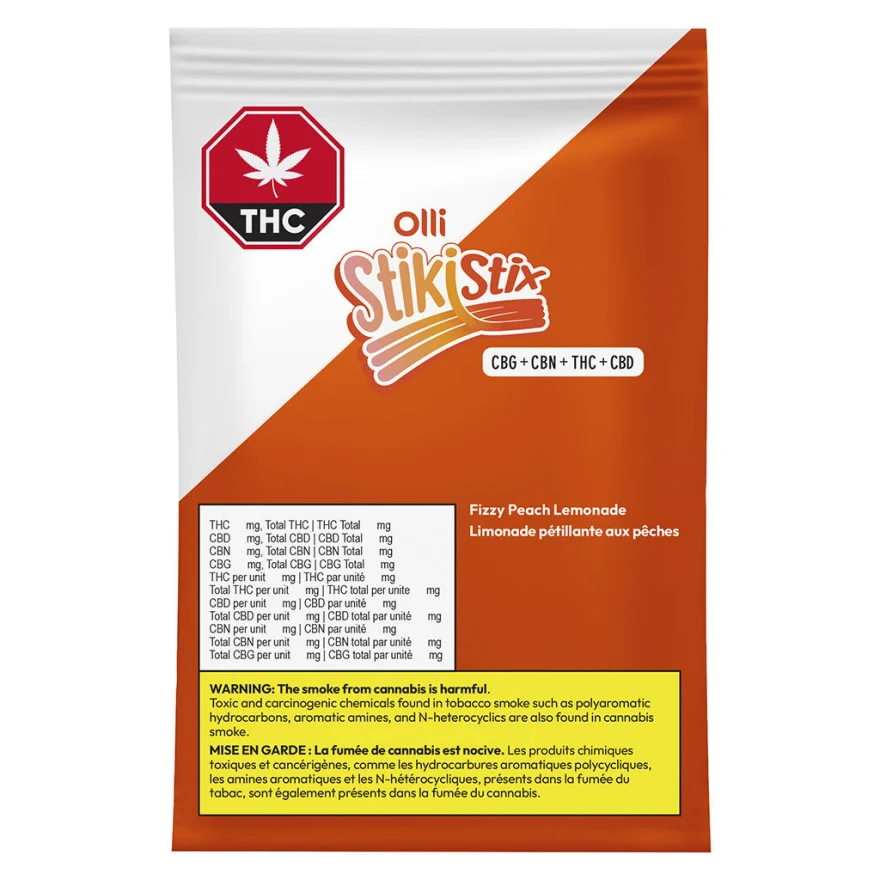
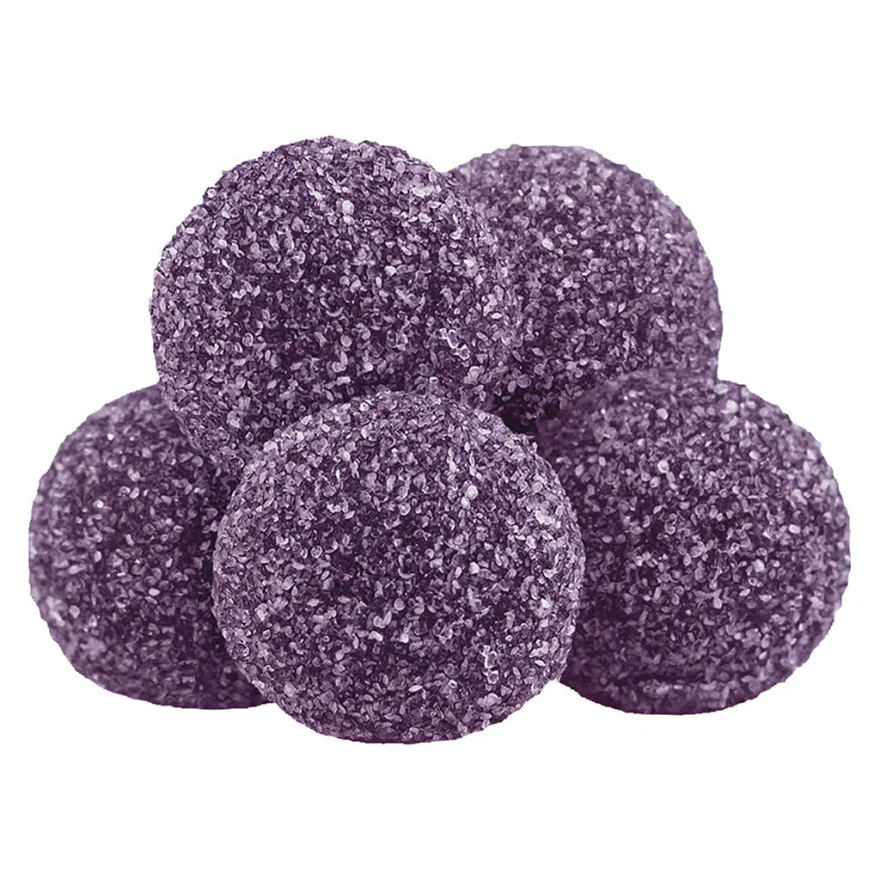
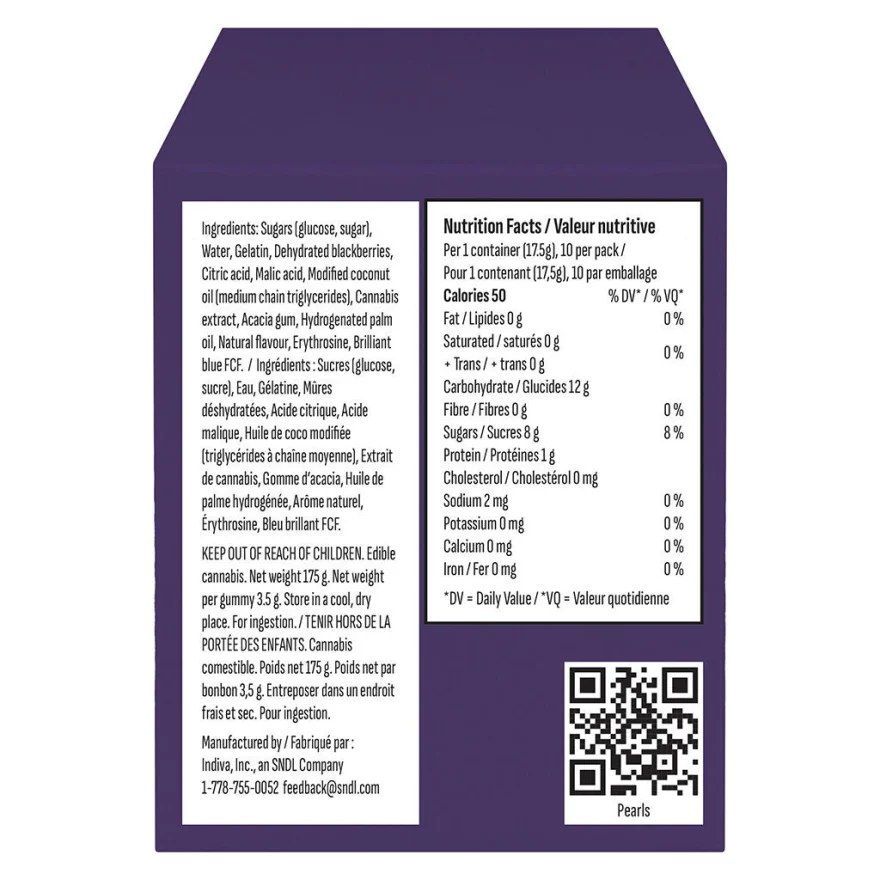
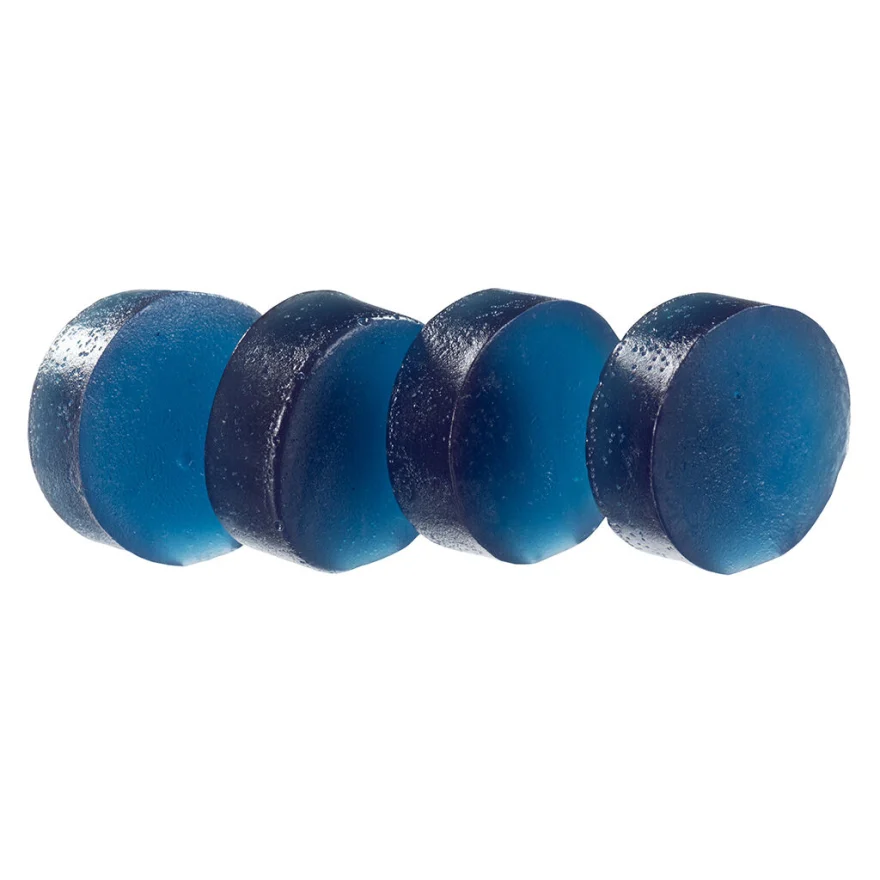
Our store at 783 Woolwich St in Riverside Plaza, Guelph North End, carries legal products bought through the Ontario Cannabis Store, and what’s in stock changes week to week. Below is what we have on our shelves right now that lists CBN, CBD, CBG, CBC or THCV on the label. Check the THC and CBN numbers on each product before you order. Our staff can walk you through how to read a label, but they can’t give medical advice or tell you a product will help you sleep.
CBN products in stock
Check the THC and CBN numbers on each label.
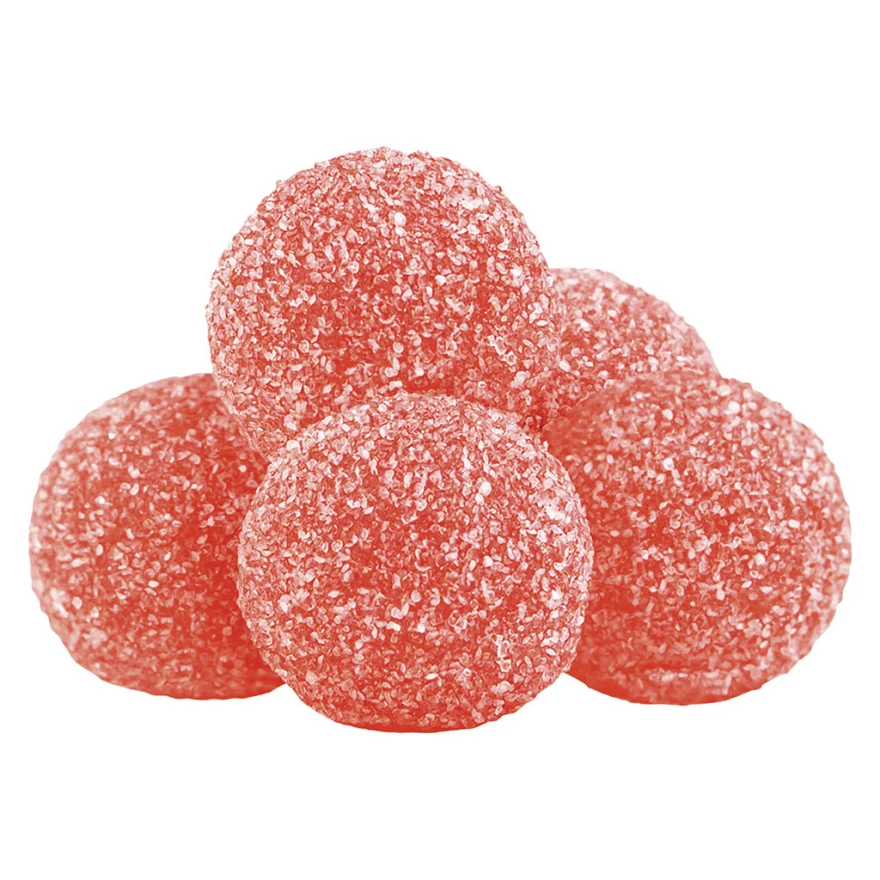
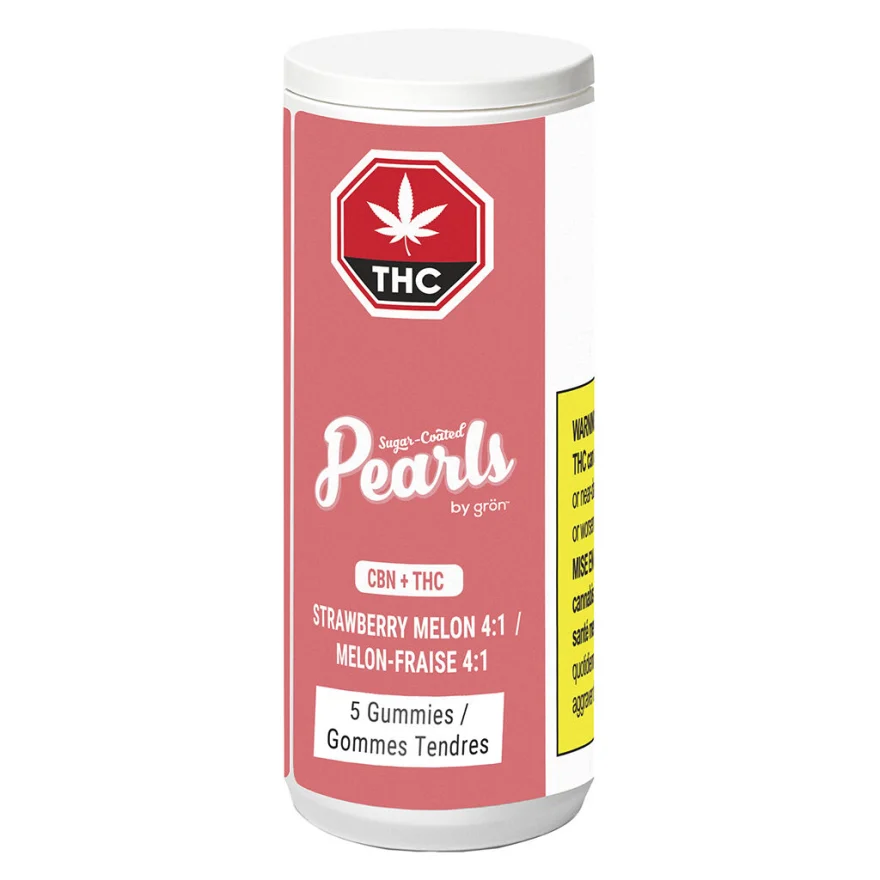 Hybrid5 pack
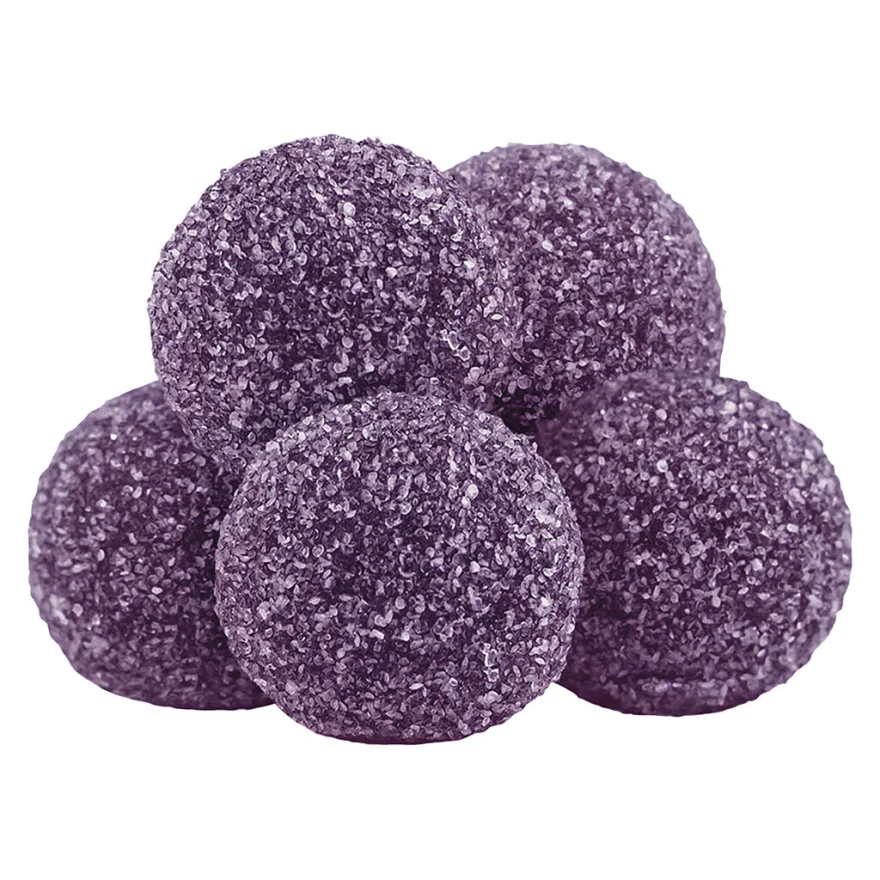
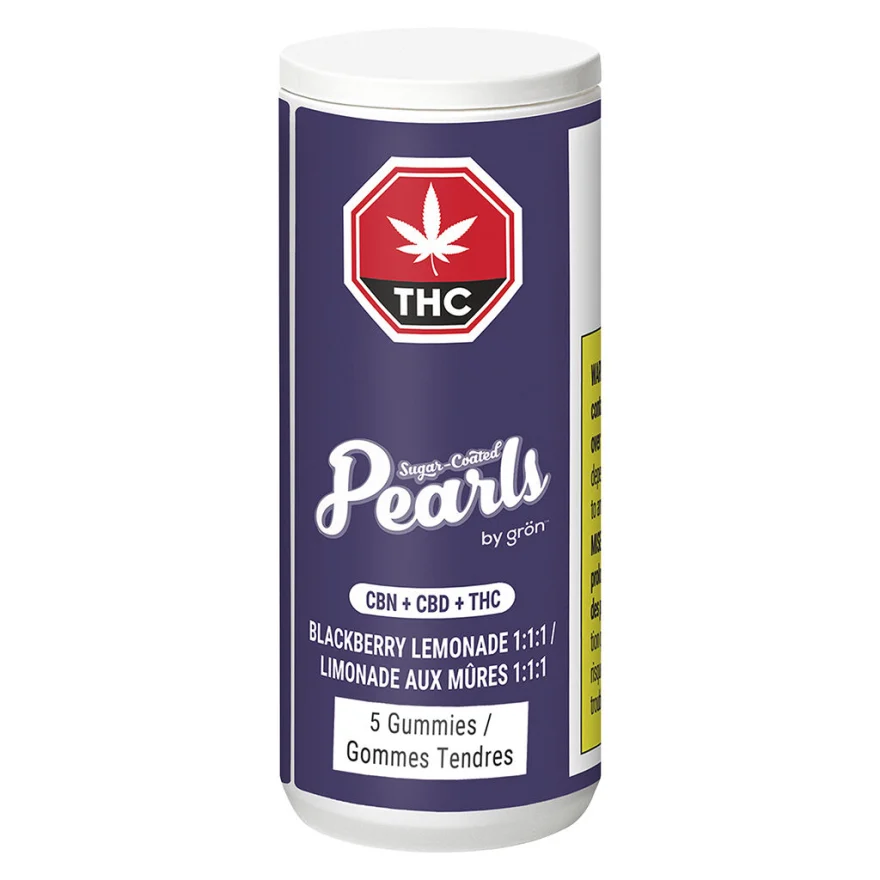 Indica5 pack

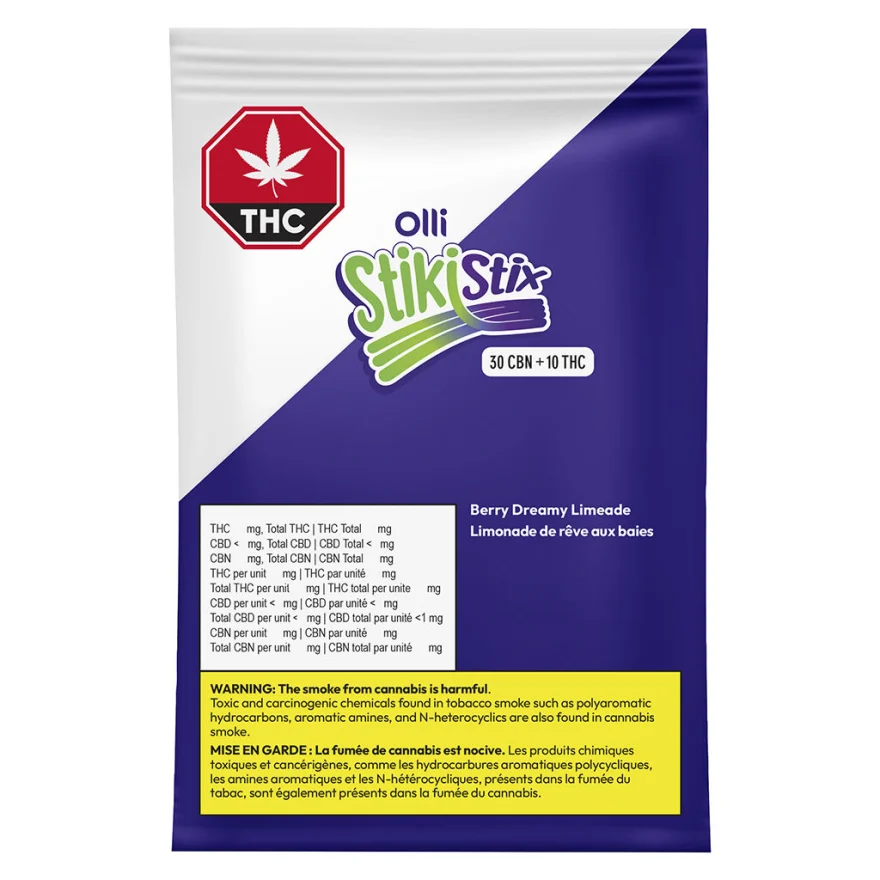 Indica1 pack
 Indica2 pack
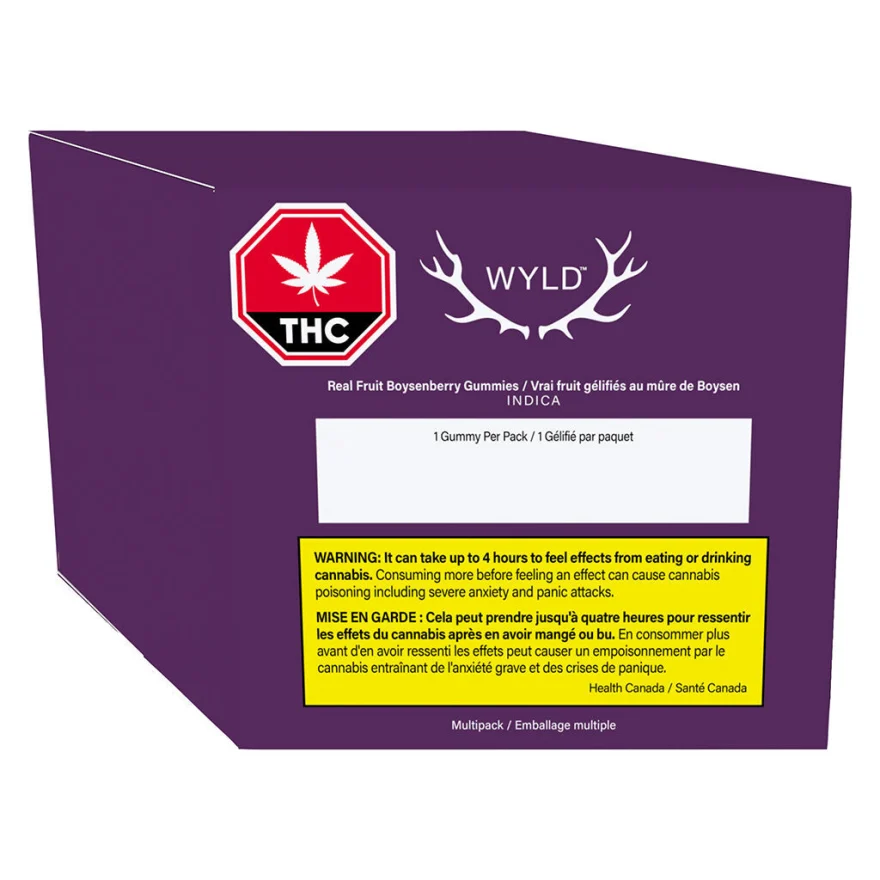 Indica10 pack

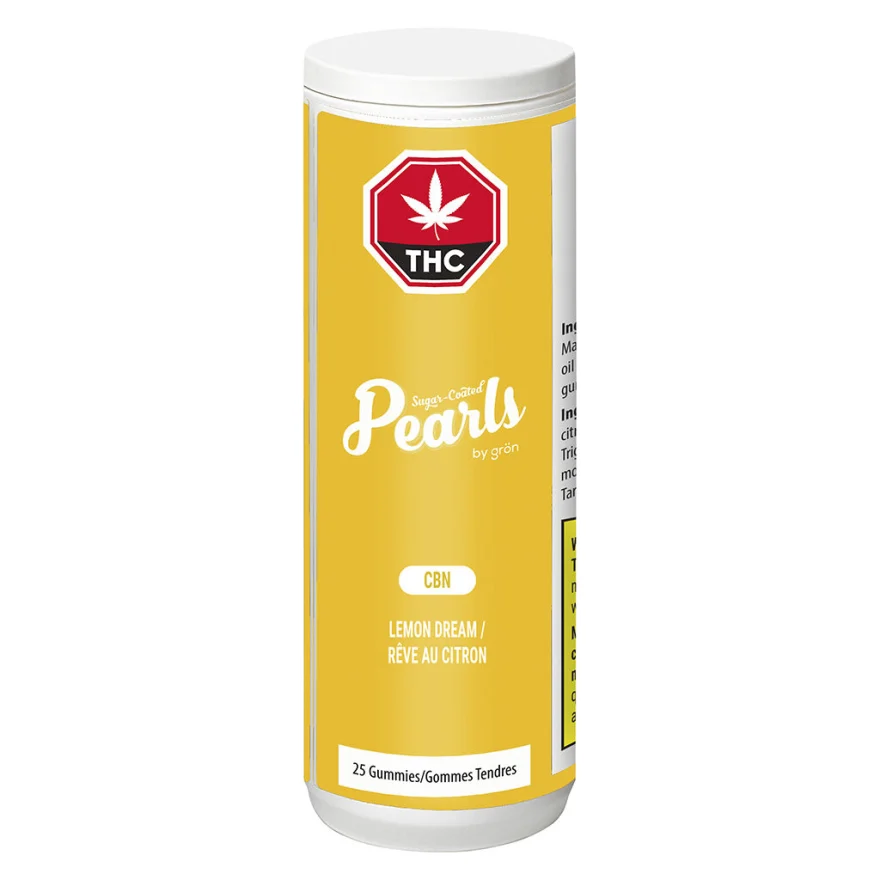 Hybrid25 pack

 Hybrid1 pack
 Hybrid50 pack
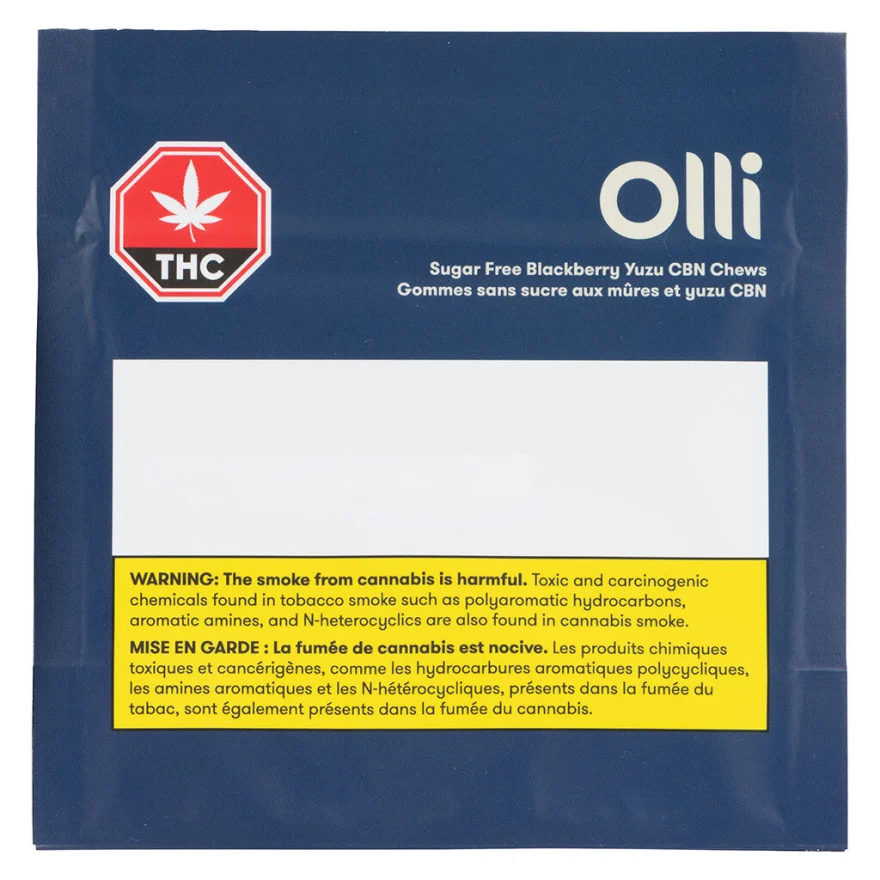 Indica4 pack

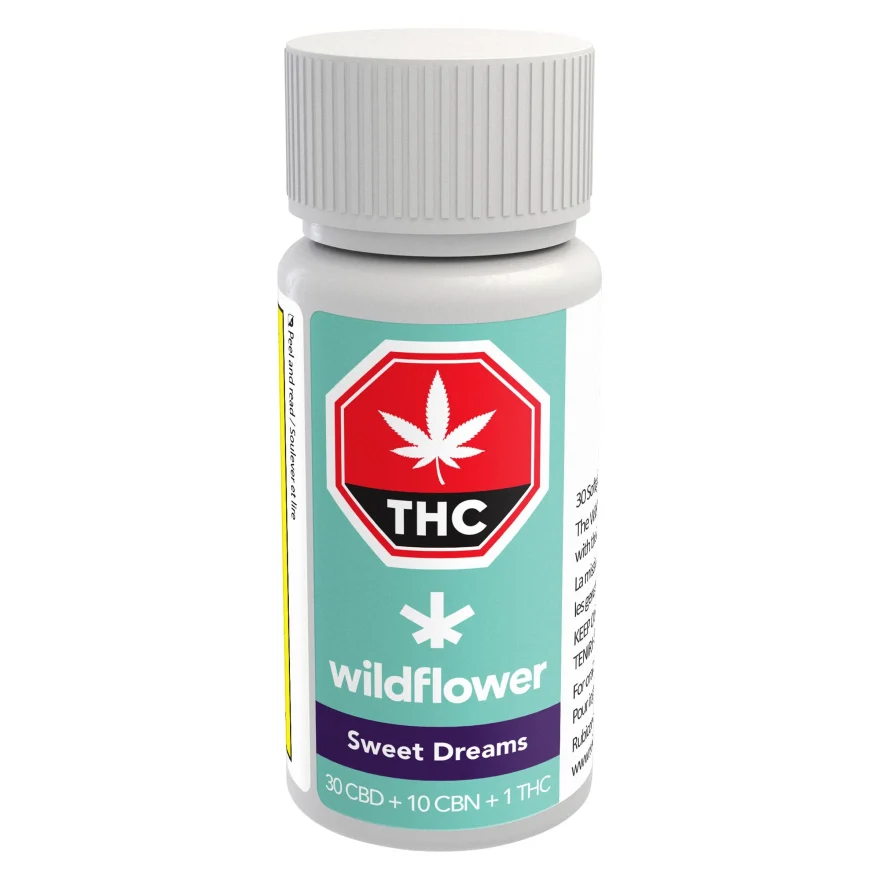 30 capsules
CBD, CBN, CBG and more in stock
On our shelves at 783 Woolwich St, Guelph, for pickup or delivery.
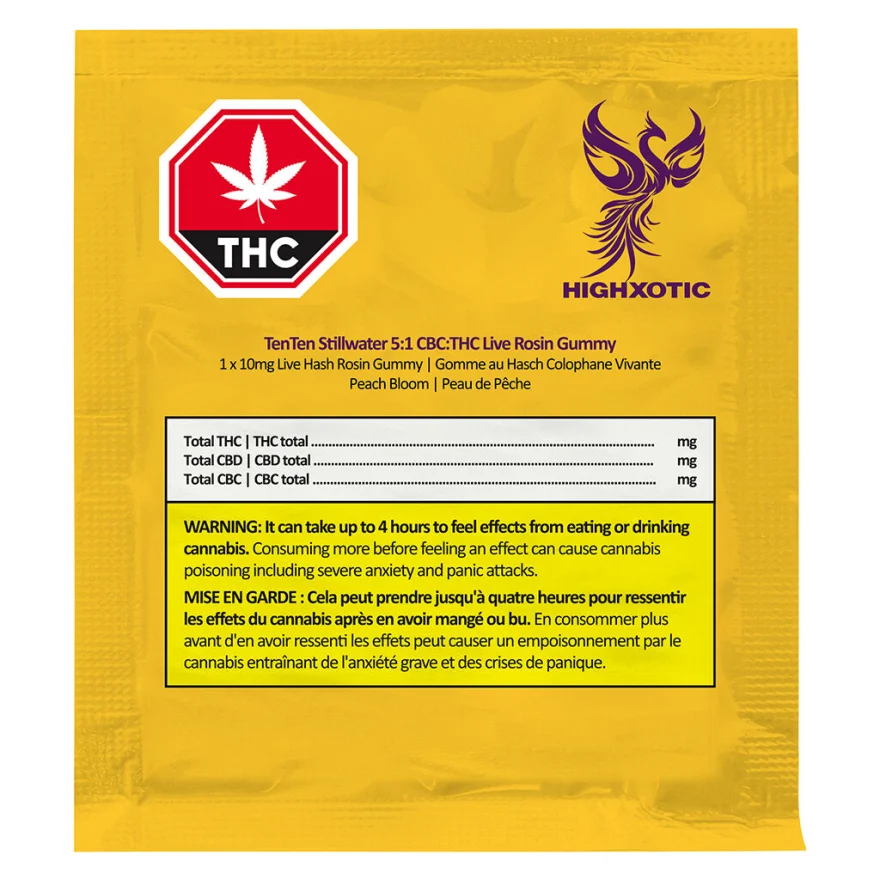 Sativa1 packHybrid5 pack
 Hybrid1 pack
 Hybrid5 pack

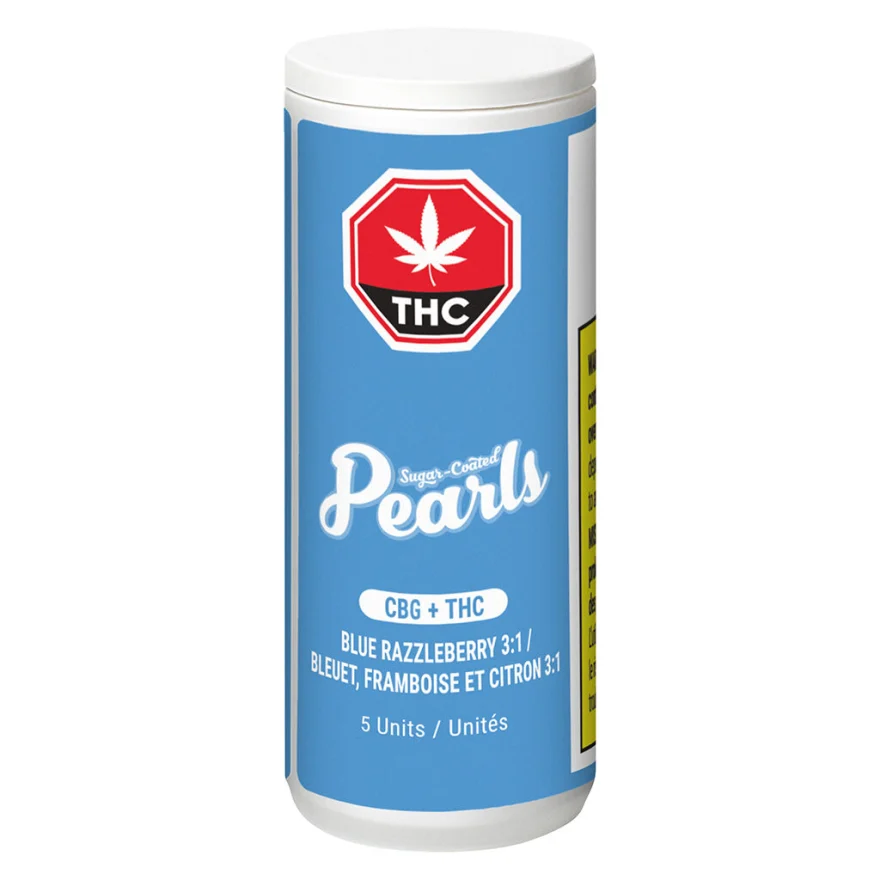 Sativa5 pack

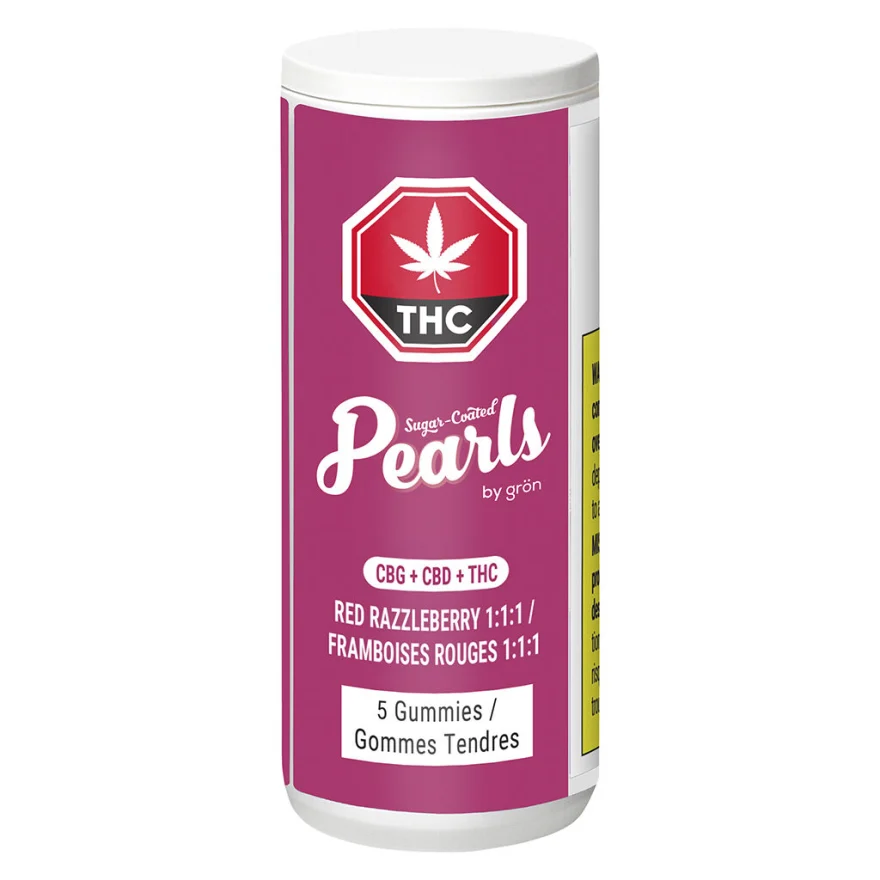 Sativa5 packIndica5 pack

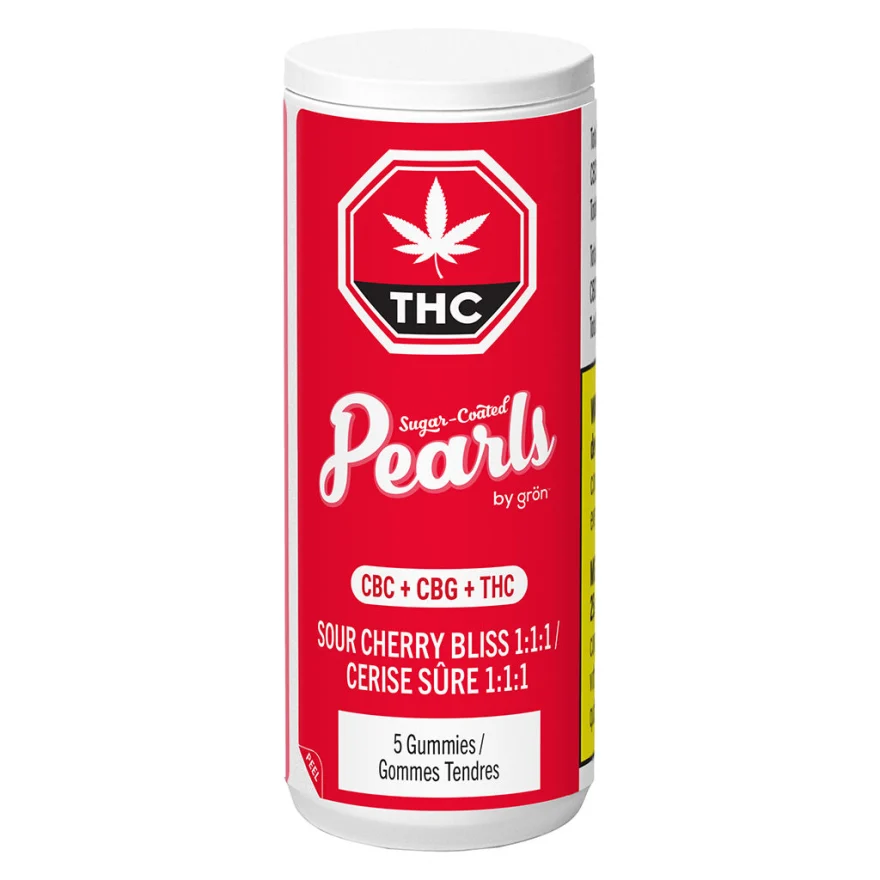 Hybrid5 pack
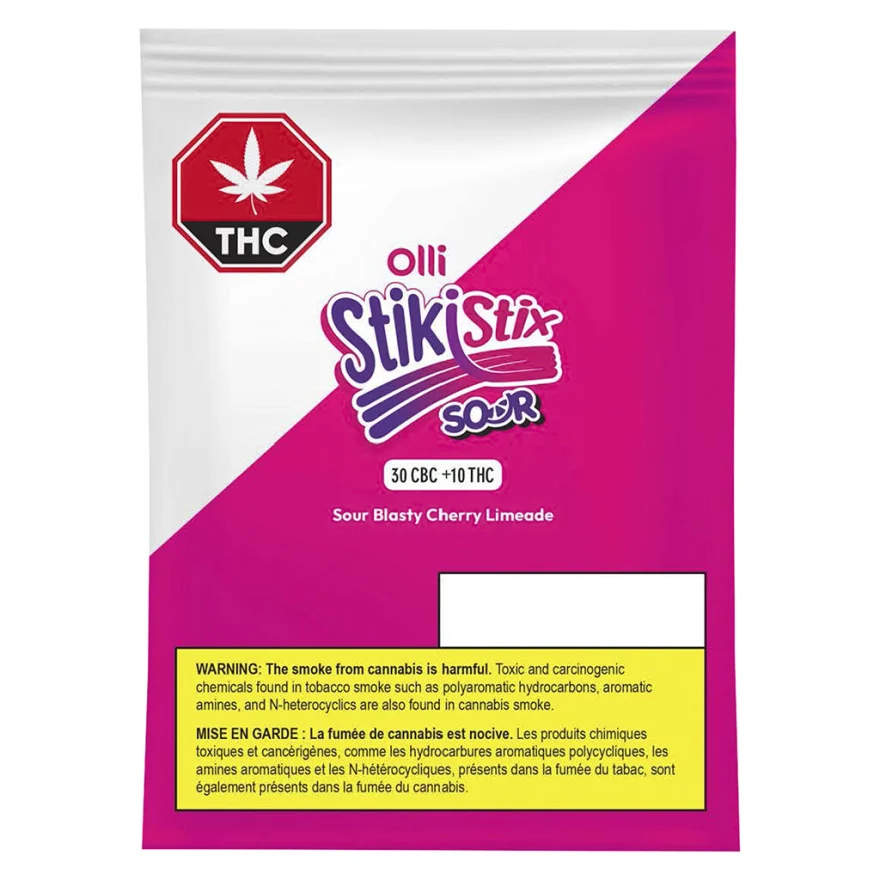 Sativa1 pack

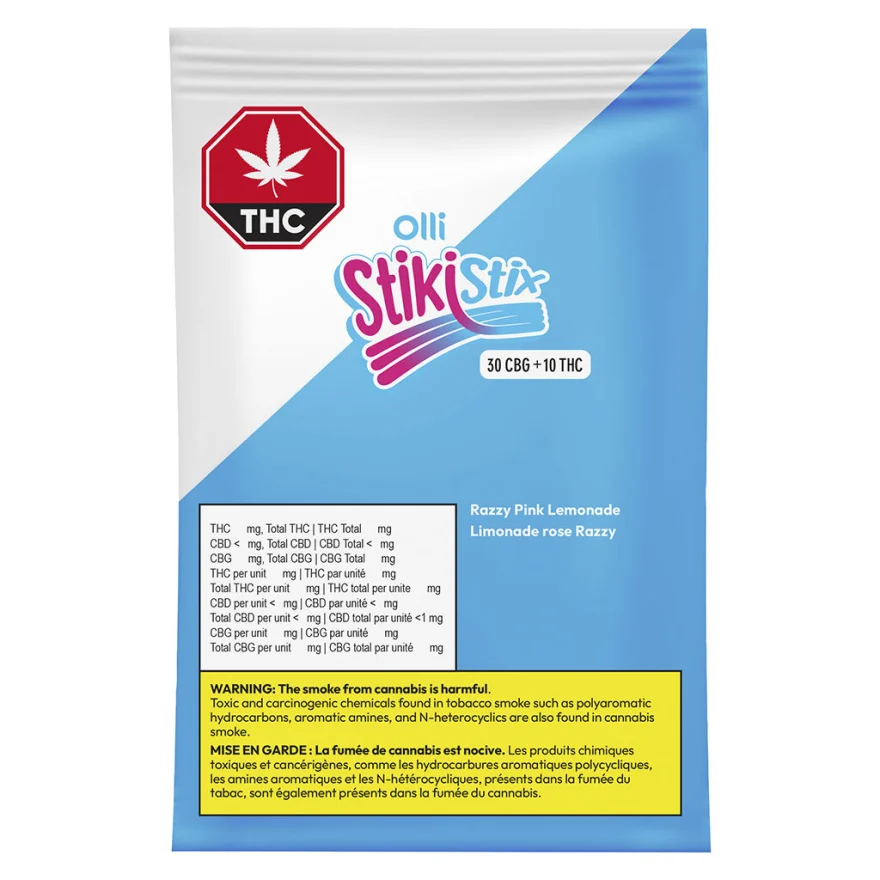 Sativa1 pack
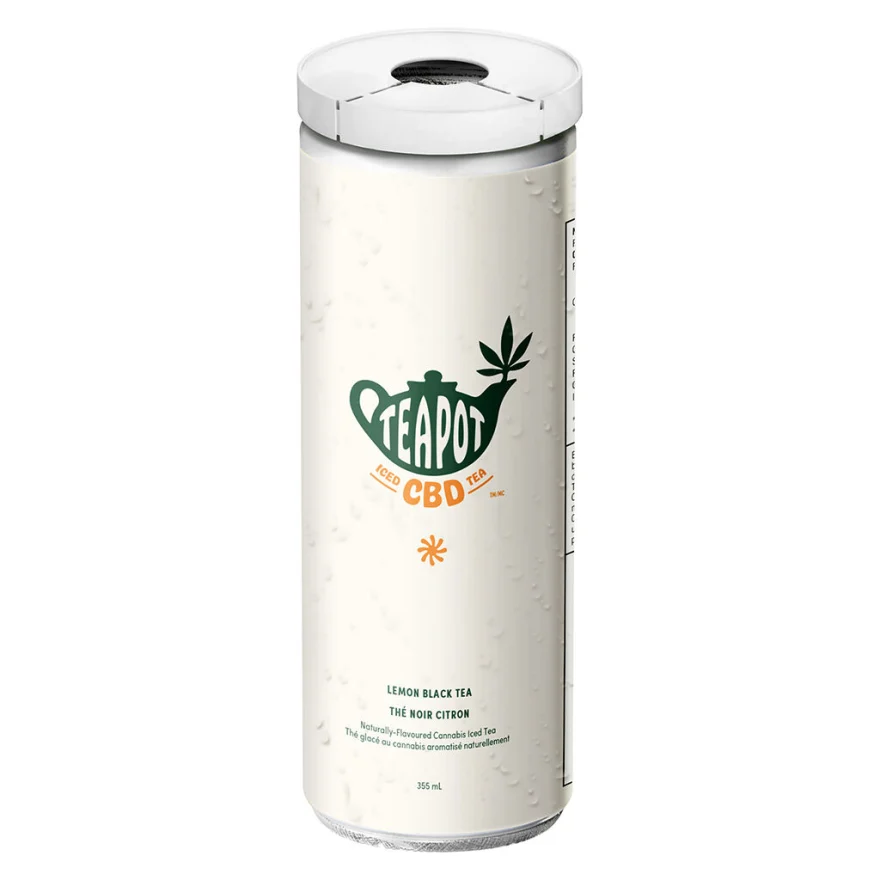
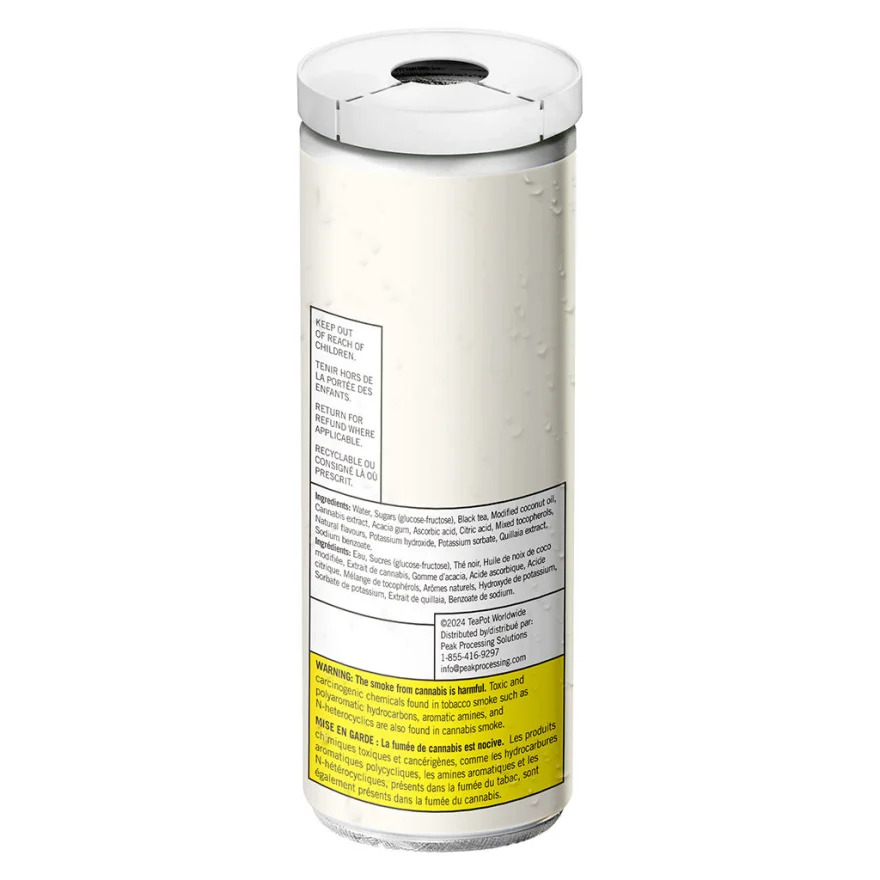 Hybrid355 ml

 Hybrid30 ml
See every product on our CBD, CBN, CBG and more page, or just the CBN products.
| Pickup in store | Delivery | |
|---|---|---|
| Where | 783 Woolwich St, Riverside Plaza, Guelph | See our delivery areas |
| Hours | Mon to Thu 9 AM to 10 PM, Fri and Sat 9 AM to 11 PM, Sun 9 AM to 9 PM | Mon to Sat 4 PM to 10 PM, Sun 4 PM to 9 PM |
| Minimum order | None | $70 |
| Delivery fee | None | Free to Guelph, Fergus, Elora and Rockwood; $15 to Arthur, Belwood, Elmira, Acton, Erin, Georgetown, Milton, Caledon West, Brampton, Mississauga, Vaughan and Woodbridge |
| ID | 19+ with valid government photo ID | 19+ with valid government photo ID, checked at the door |
A few things to know before you order:
- ID rules are strict. We need valid, unexpired government photo ID. We can’t accept expired ID or a photo of your ID.
- The 30 g limit applies. Ontario allows up to 30 g of dried cannabis, or the equivalent in other formats, per purchase.
- Where we don’t deliver. We can’t deliver to Waterloo, Kitchener, Cambridge or Orangeville.
- Questions? Call us at 519-821-0555.
FAQs
Does CBN make you sleepy? Some people report it does, but controlled trials are few and small. A 2024 trial found 20 mg cut night waking slightly without improving overall sleep quality, and a 2026 study saw changes only at 300 mg.
Is CBN legal in Ontario? Yes. CBN products are sold through licensed stores supplied by the Ontario Cannabis Store. You must be 19 or older with valid government photo ID.
Will CBN get me high? Health Canada classes CBN as an intoxicating cannabinoid because it acts on the same receptor as THC. Many CBN products also contain THC, so check both numbers on the label.
How much CBN is in a legal edible? Health Canada recommends that CBN and THC together stay within 10 mg per edible package. The label lists the mg of each.
How long should I wait before taking more? Edibles can take 30 minutes to 2 hours to start working and up to 4 hours to peak. The OCS advises waiting at least two hours before having more.
Can I get CBN products delivered in Guelph? Yes. Delivery runs Monday to Saturday from 4 PM to 10 PM and Sunday from 4 PM to 9 PM, with a $70 minimum, free to Guelph, Fergus, Elora and Rockwood. Pickup at 783 Woolwich St has no minimum.
Sources
- Health Canada, Guidance on cannabis products with intoxicating cannabinoids other than delta-9-THC, last modified June 25, 2026.
- Health Canada, Cannabis: lower your risks.
- Lavender et al., Cannabinol for acute treatment of insomnia disorder in a randomized placebo-controlled crossover trial, Journal of Sleep Research, 2026.
Information as of November 17, 2026. This article is general information, not medical advice. Products and stock change; check our shop for what’s available today.